








Compounded Medications
 |
|
The Art of MedicineCompounding is the art by which new medications are created when a prescriber and pharmacy work together to fit the special needs of a patient and must be mixed by a specialty pharmacy. It is more an art than science. Rather than relying on a standard "one-size-fits-all” medication to treat a patient, a prescriber can combine different ingredients and dosage forms in a new way to better meet the individual needs of their patient. Once the prescriber has decided on the therapy they wish to use, they write a prescription which is brought to our on-site lab and is made from scratch specifically for you. |
|

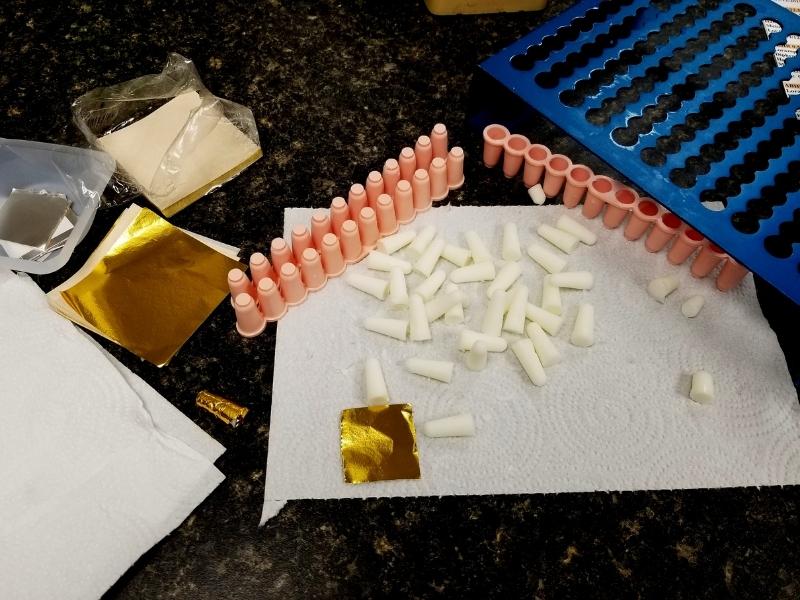 |
Compounding FactsCompounds are specially mixed medications made to meet specific needs. Allows us to combine ingredients not available commercially or dispense in an alternate dosage form. Pharmacists can work with the prescriber to greatly improve patient therapy. Ability to compound medications for pets that are unavailable commercially. • Pediatric medications can also be compounded in different dosage forms. Medications can be compounded into different dosage forms such as creams, liquids, and suppositories. · Made on-site in a dedicated lab. Common compounds include Hormone Replacement, Pain Creams, Pediatric Suspensions, Active ingredients no longer manufactured commercially, and alternatives to expensive commercial medications. Compounding also allows a pharmacy to greater impact the community by offering a level of care that no other non-compounding pharmacy is able to provide |
Individualized DosesThe pharmacy provides the patient with instructions and follow-ups to ensure that the newly created medication is working as the prescriber intends. If there are any adjustments needed, the pharmacy can easily speak with the prescriber to adjust the medication to continue to meet the patient's individual needs. Other great uses for compounds include pet medications and pediatric dosing. Sometimes your pet requires medication to feel better just like a patient and compounding provides an opportunity to meet their needs as well. Pediatric medications are far harder to find in correct dosage forms and strengths, but compounding allows pediatric patients to be treated with medications that can provide life-saving therapy not normally available commercially |
 |
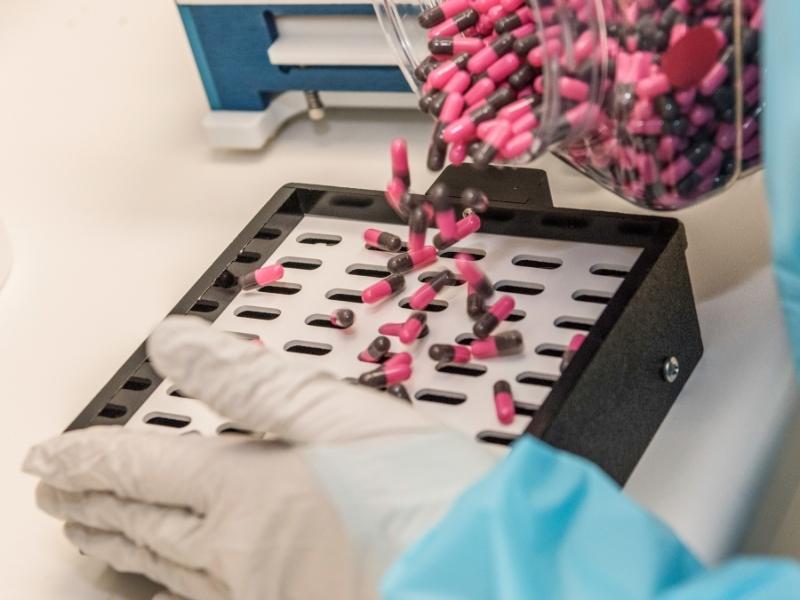 |
What Makes Compounding Different?Compounding is the art and science of preparing personalized medications for patients to meet the unique needs of an individual patient (human or animal). A growing number of people and pets have unique health needs that off-the-shelf, one-size-fits-all prescription medicines cannot meet. For them, customized medications are the only way to better health. What are the most common reasons for compounds? A patient may not be able to tolerate the commercially available drug, the exact preparation needed may not be commercially available, or a patient may require a drug that is currently back ordered or discontinued. Moreover, because of the economics of pharmaceutical manufacturing, FDA-approved drugs that serve a limited population are often discontinued by manufacturers. In most of these cases, the only option left for patients is to have a compounding pharmacist make the discontinued drug from scratch using pharmaceutical-grade ingredients. Compounds are personalized care, handmade by your TrueCare team just for you. |
Why Choose Compounded Medications?
- Made by your TrueCare Team.
- Compounds are made for individuals, not the masses
- More effective, tailored treatment.
- Customized strengths or dosage forms that aren’t commercially available.
- Flavor a medication (to make it more palatable for a child, a pet, or even adults!).
- Reformulate the drug to exclude an unwanted, nonessential ingredient, such as lactose, gluten, or a dye to which a patient is allergic.
- Change dosage form from tablet to liquid, oral to topical, etc.
- Change the form of the medication for patients who, for example, have difficulty swallowing or experience stomach upset when taking oral medication.
- Create patient-specific dosages to accommodate an in-between dose or to match a particular patient's weight and size.
Will My Insurance Cover Compounds?
In most instances, insurance companies do cover compounds and they are usually no more expensive than your normal medications. We work to try to get your insurance to cover compounds so that you can get the best care for the best pricing possible. If for any reason your insurance doesn't cover a compounded medication or you don't have insurance, we offer the best pricing possible so that you are still able to gain the greatest care from your prescriber. Our number one priority is patient care.